

back lit led mirror
Understanding Precision Measuring Tools The Backbone of Quality Control In the realm of manufacturing and engineering, precision measuring tools serve as the cornerstone of quality control . From ensuring that components fit perfectly to creating products that meet exact specifications, these tools play a crucial role in various industries, including automotive, aerospace, electronics, and manufacturing. Understanding the significance of precision measuring tools not only highlights their importance but also showcases the technological advancements that have improved their accuracy over time. Precision measuring tools encompass a wide range of instruments designed to measure dimensions, angles, and other physical quantities with high accuracy. Some of the most commonly used tools in this category include calipers, micrometers, dial indicators, and laser measuring devices. Each of these tools has specific applications and is manufactured to facilitate precise measurements in different scenarios. Calipers are versatile measuring instruments that can measure internal and external dimensions, as well as depths. They come in various types, including vernier, dial, and digital calipers, each offering differing levels of precision and ease of use. For example, digital calipers provide a quick and easy-to-read measurement display, making them preferred in fast-paced environments. Micrometers, on the other hand, are often used for measuring small dimensions with remarkable precision. Typically used in mechanical engineering and machining, they can measure the thickness of a material or the outside diameter of a rod. With their capability to provide measurements to the nearest thousandth of a millimeter, micrometers are indispensable in situations where minuscule variations can significantly impact performance. precision measuring tools Dial indicators are another essential tool that measures the displacement of an object. By converting linear displacement into rotational movement, dial indicators help detect minute changes in position, making them ideal for measuring flatness, height variations, and alignment. They are widely employed in quality control processes to ensure components meet stringent specifications before they reach the assembly line. Recent advancements in technology have led to the development of laser measuring devices, which use laser beams to determine distances with exceptional precision. These tools enable users to measure distances without physical contact, minimizing the chance of error and damage to delicate components. Laser measuring devices are especially valuable in construction and large-scale manufacturing settings, where measuring distances quickly and accurately is critical. The importance of precision measuring tools extends beyond mere numbers; they are vital for maintaining product quality and ensuring customer satisfaction. The consequences of inaccurate measurements can be far-reaching, leading to defective products, increased costs, and damaged reputations. By using precise measuring tools, companies can significantly reduce the risk of errors, streamline production processes, and uphold rigorous quality standards. In addition to traditional tools, the rise of automation and digital technologies has transformed the landscape of precision measuring instruments. Many modern devices are equipped with data-logging capabilities, allowing for real-time monitoring and analysis. This shift toward digital measurement not only improves efficiency but also enhances data accuracy, making it easier for manufacturers to identify trends and implement corrective actions promptly. In conclusion, precision measuring tools are essential to the success of various industries. By ensuring accurate measurements, these tools contribute to effective quality control, which ultimately leads to higher standards of production and customer satisfaction. As technology continues to evolve, so do precision measuring tools, bringing new levels of accuracy and efficiency that refine processes and support the industries of the future. Embracing these advancements is essential for businesses that wish to remain competitive in an increasingly precise world.
about
back lit led mirror
Understanding Plain Plug Gauge Standards Plain plug gauges are essential tools used in manufacturing and quality control environments to ensure that components meet specific dimensional tolerances. They are designed to check the size and fit of holes and other internal dimensions, providing a reliable means to determine whether a part is within acceptable limits. This article explores the concept of plain plug gauge standards, their applications, and their significance in precision engineering. What is a Plain Plug Gauge? A plain plug gauge is a cylindrical instrument with a specific diameter that is used to measure the internal dimensions of an object, typically a hole. These gauges come in two variants go gauges and no-go gauges. The go gauge is slightly smaller than the nominal size and should fit easily into the hole if the dimension is acceptable. The no-go gauge, on the other hand, is slightly larger and should not fit if the hole is within specification. Together, these gauges help in assessing whether a part is of acceptable quality. Importance of Standards Plain plug gauges are governed by specific standards to ensure accuracy, reliability, and uniformity across various manufacturing processes. The most widely cited standards include those established by organizations such as the International Organization for Standardization (ISO), the American National Standards Institute (ANSI), and the British Standards Institution (BSI). These standards dictate the manufacturing tolerances, materials used, calibration techniques, and measurement methods for plug gauges. Material and Design Plain plug gauges are usually made from high-grade tool steel or other durable materials to withstand wear and tear. The design includes a precisely defined diameter and a smooth, hardened surface to ensure that the gauge provides accurate readings over time. The gauge's length is also standardized to facilitate easy handling and ensure compatibility with measuring devices. plain plug gauge standard Calibration Calibration is a crucial aspect of maintaining the accuracy of plain plug gauges. It involves comparing the gauge against a known standard to check for deviations. Regular calibration is necessary to account for wear, temperature changes, and other factors that could affect measurement accuracy. Most manufacturers adhere to a strict calibration schedule, often using certified reference materials to ensure compliance with industry standards. Applications Plain plug gauges are widely used across many industries, including automotive, aerospace, and electronics. They are instrumental in ensuring parts fit together correctly, which is vital for the safety and performance of machines and systems. For instance, in the automotive sector, precise fitting of components can significantly affect the performance of an engine or transmission. In addition to checking hole diameters, plain plug gauges can also be used in assembly lines to verify the dimensions of various parts before they are assembled into larger systems. This quality control step helps prevent costly errors and rework, ensuring that products meet the required specifications and are safe for use. Conclusion Plain plug gauges are indispensable tools in modern manufacturing and quality assurance. Understanding the standards and practices surrounding these gauges is vital for ensuring the reliable and accurate measurement of internal dimensions. With their widespread applicability across various industries, plain plug gauges serve as a critical component in maintaining the integrity and quality of engineered products. In conclusion, adhering to plain plug gauge standards not only enhances the precision of manufacturing processes but also fosters trust between manufacturers and customers. As industries continue to evolve and strive for higher quality and efficiency, the role of plain plug gauges will remain paramount in achieving these goals. By investing in proper gauges, regular calibration, and adherence to standards, businesses can significantly improve the quality of their products while ensuring customer satisfaction.
-

High quality industrial productsagement

High quality industrial products
View Details -

Meet the diverse needs of customers

Meet the diverse needs of customers
View Details -

Strict quality control

Strict quality control
View Details -

Top raw materials

Top raw materials
View Details -

Trusted supplier

Trusted supplier
View Details
Our application


news and information
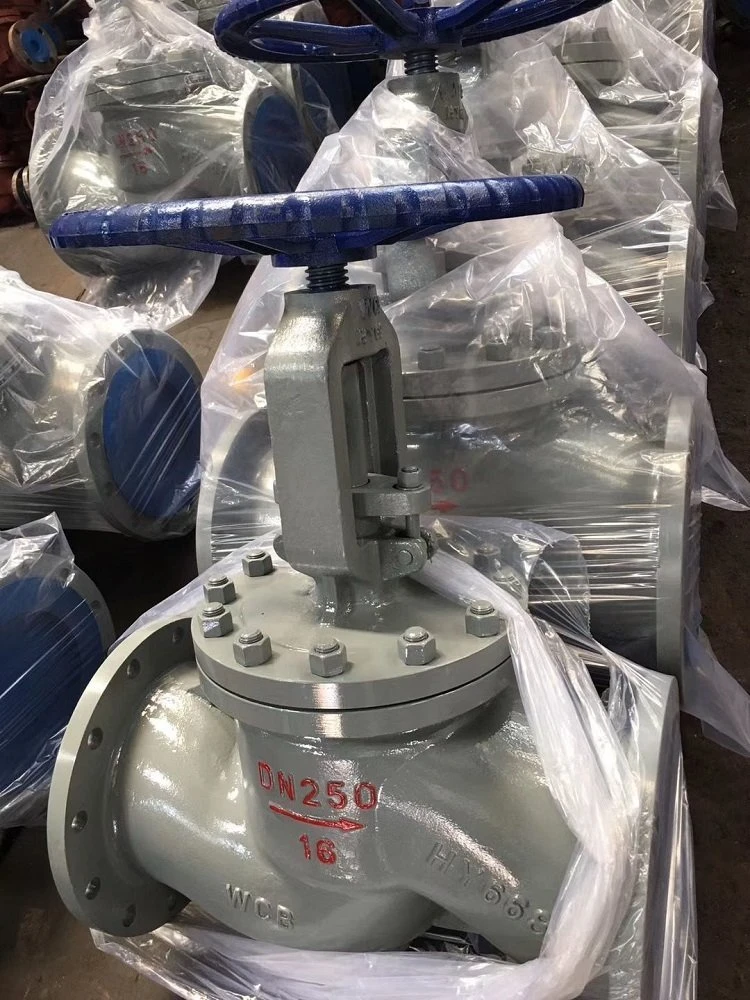
Using Brackets to Assemble Wooden Structures and Enhance Your DIY Projects Effectively
Embracing Nature The Art of Joining Wood with Brackets In the world of woodworking, there is a disti
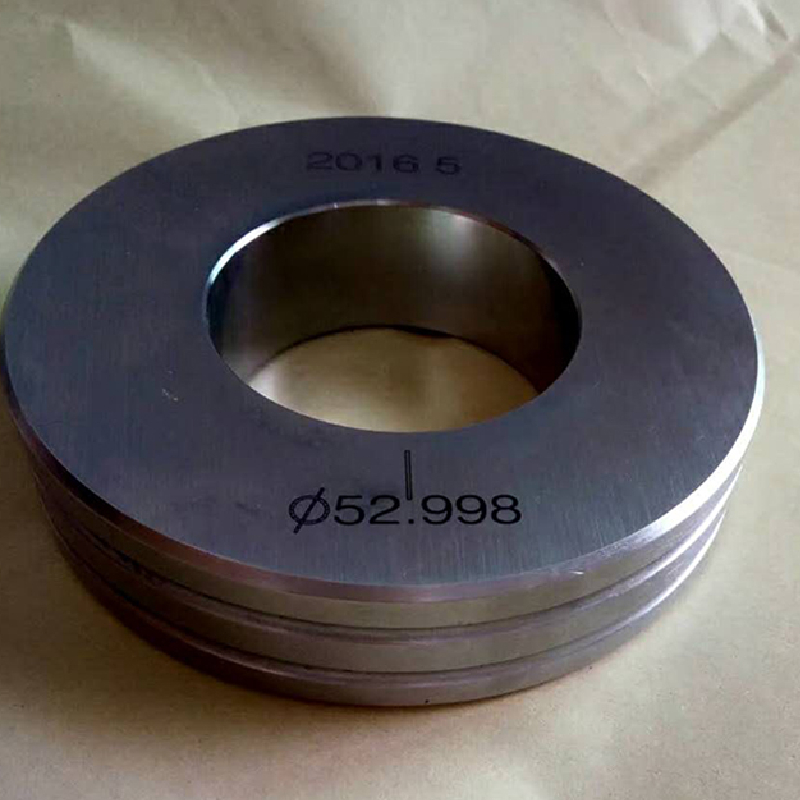
Using Tapered Plug Gauges for Precision Measurement and Quality Control in Manufacturing
Understanding Taper Plug Gauges and Their Applications In precision engineering and manufacturing, e
Wholesale Opportunities for Quality Ball Valves at Competitive Prices
ball valves wholesale .
 English